简体中文
简体中文

Hvilke funksjoner bør du se etter i et høyeffektivt støvfjerningssystem?
HJEM / NYHETER / Bransjenyheter / Hvilke funksjoner bør du se etter i et høyeffektivt støvfjerningssystem?
 Av Admin
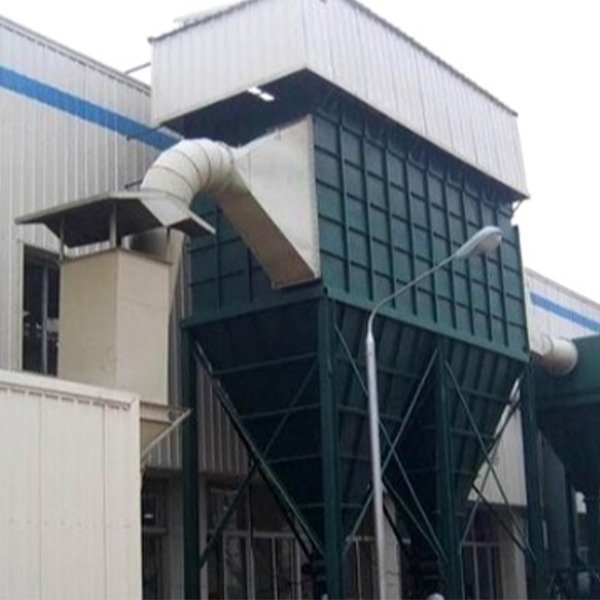
En høyeffektivitet støvfjerningssystem spiller en sentral rolle i industrier som genererer betydelige luftbårne partikler og gasser. Disse systemene er avgjørende for å minimere miljøpåvirkningen og sikre overholdelse av strenge utslippskontrollstandarder. Enten det er i stålproduksjon, farmasøytisk eller sementindustrien, fungerer et støvfjerningssystem som en viktig komponent for å ivareta både folkehelsen og industriell effektivitet.
Et støvfjerningssystem er et sett med utstyr designet for å samle opp partikler fra luften, som hjelper til med å kontrollere forurensning og forbedre arbeidsplassens forhold. Disse systemene varierer i design, fra posefiltre til elektrostatiske utskillere, hver egnet for ulike typer støv og driftsmiljøer.
Nøkkelfunksjoner inkluderer:
Filtreringseffektivitet er en av de mest kritiske faktorene når du velger et støvfjerningssystem. Høyeffektive partikkelluftfiltre (HEPA) eller posefiltre brukes ofte i industrielle applikasjoner. Disse filtrene må være i stand til å fange opp fine partikler og forurensninger, inkludert støv, røyk og andre luftbårne forurensninger.
Energiforbruk er en annen viktig faktor. Et høyeffektivt støvfjerningssystem bør ha et lavt energifotavtrykk og samtidig opprettholde optimal ytelse. Teknologier som energigjenvinningsventilatorer eller varmevekslere kan bidra til å redusere driftskostnadene ved å gjenvinne termisk energi fra avgasser.
Effektive utslippskontrollteknologier er avgjørende for bransjer som står overfor strenge regulatoriske krav. Systemet bør være utstyrt for å fange ikke bare partikler, men også skadelige gasser som svoveldioksid (SO2), nitrogenoksider (NOx) og flyktige organiske forbindelser (VOC).
Gjenvinning av avfallsgass spiller en avgjørende rolle for å redusere miljøfotavtrykket til et støvfjerningssystem, samtidig som det potensielt tilfører verdi. Avanserte systemer gjenvinner verdifulle gasser, som varme eller kjemikalier, som kan gjenbrukes i anlegget eller til og med selges.
Levetiden til et støvfjerningssystem avhenger i stor grad av dets design og materialene som brukes i konstruksjonen. Materialer av høy kvalitet, som korrosjonsbestandige metaller og slitesterke filtermedier, er avgjørende for å tåle tøffe driftsforhold.
Ulike bransjer har unike behov for fjerning av støv basert på typen støv som produseres og volumet av gass som må behandles. For eksempel krever stålproduksjon vanligvis mer robuste systemer som er i stand til å håndtere høytemperatur røykgasser og slipende støvpartikler, mens farmasøytiske anlegg fokuserer på presisjon og renslighet.
En tilnærming som passer alle er sjelden effektiv i industrielle omgivelser. De tilpassede løsningene levert av Anhui Tiankang Environmental Technology Co., Ltd. gjør det mulig for bedrifter å designe støvfjerningssystemer skreddersydd til deres spesifikke prosesser. Fra løsningsdesign til utstyrsvalg og installasjon, en tilpasset tilnærming sikrer systemets effektivitet og lang levetid.
Støvfjerningssystemer bør integreres sømløst med andre deler av den industrielle prosessen. Enten det er tilkobling til en produksjonslinje, et system for gjenvinning av avfallsgass eller et utslippsovervåkingssystem, vil det å sikre kompatibilitet mellom ulike komponenter øke den generelle systemeffektiviteten.
Med pågående fremskritt innen filtreringsteknologi og -materialer tilbyr nye systemer forbedret effektivitet og miljøfordeler. Anhui Tiankang Environmental Technology Co., Ltd. tilbyr et bredt spekter av systemer, fra grunnleggende støvsamlere til komplekse integrerte systemer som inkluderer posefiltre, VOC-behandlingsenheter og teknologier for avfallsgassgjenvinning.
Q1: Hvilke typer bransjer drar mest nytte av høyeffektive støvfjerningssystemer?
Høyeffektive støvfjerningssystemer er avgjørende i bransjer som stålproduksjon, sementproduksjon, farmasøytiske produkter, glassproduksjon og smelting av ikke-jernholdige metaller, blant andre.
Spørsmål 2: Hvordan bidrar støvfjerningssystemer til gjenvinning av avfallsgass?
Støvfjerningssystemer, spesielt de som er utstyrt med VOC-behandling eller varmegjenvinningsenheter, fanger opp avfallsgasser, forhindrer skadelige utslipp mens de gjenvinner nyttig energi eller kjemikalier for gjenbruk.
Q3: Hva er levetiden til et høyeffektivt støvfjerningssystem?
Med riktig vedlikehold og materialer av høy kvalitet kan disse systemene vare i mange år. Regelmessige inspeksjoner og filterbytte bidrar til å forlenge levetiden.
Q4: Hvordan reduserer energieffektive funksjoner driftskostnadene til støvfjerningssystemer?
Ved å bruke avanserte motorer, vifter og varmegjenvinningsteknologier reduserer energieffektive systemer strømforbruket og reduserer langsiktige driftskostnader.
Spørsmål 5: Kan et støvfjerningssystem tilpasses for spesifikke driftsbehov?
Ja, systemene kan skreddersys til spesifikke bransjebehov, og sikrer at design, filtrering og utslippskontrollmetoder stemmer overens med driftskrav og miljøstandarder.